
-
 With over 20 years of experience in human nutrition. We help you deliver better nutrition in your foods, beverages, or supplements.
 Check out our animal nutrition ingredients, designed to boost the health and vitality of all your favorite livestock.
-
 We provide tailored health solutions across various fields with independent R&D technology.
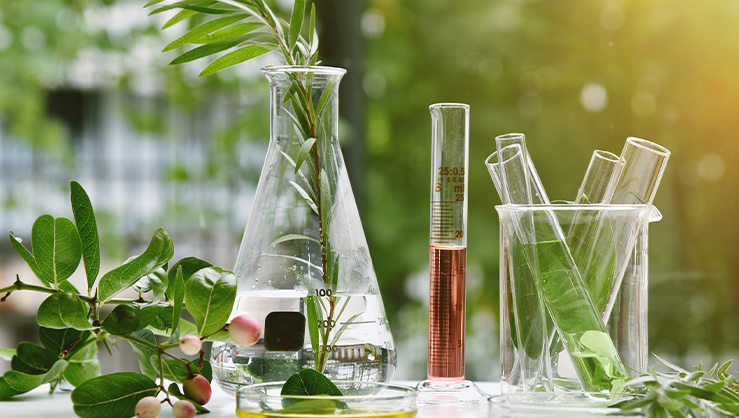 We offer professional teams to deliver customized solutions based on your product requirements.
-
 Address common doubts and curiosities, offering clear and informative solutions. We demystify common queries and provide valuable insights in every issue!
 You can access comprehensive information to stay informed and ahead in your field. Explore and download our extensive library today!
-
 Recently, INNOBIO's LocVita® Pine-Based Vitamin D3 has officially passed the certification of the FSSAI and is permitted to enter the Indian market as a vegetarian functional nutritional ingredient.
 INNOBIO Europe B.V, the European branch of INNOBIO Co., Ltd. was launched in Rotterdam, Netherlands.
-
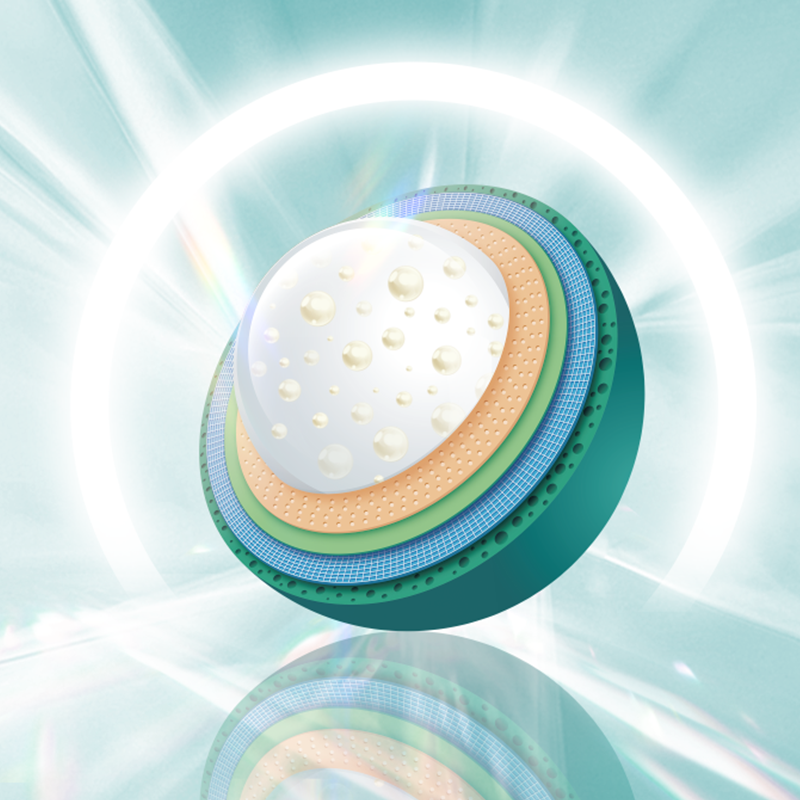 INNOBIO’s microencapsulation technology has evolved into its third generation (IMT 3.0) through iterative research of active ingredients, microencapsulating materials, equipment, and more.
 With our patented biosynthesis technology platform, INNOBIO strives to provide an alternative to chemical synthesis to provide more natural and healthy ingredients to the nutrition industry.
Beta-Carotene Formulation: Matching Carotenoid Performance with Different Product Systems
多行文本内容元素
富文本内容绑定数据后可解析HTML语言内容

Formulation Challenges in Beta-Carotene Applications
Beta-carotene is a naturally occurring carotenoid that serves as a provitamin A source and provides yellow to orange-red color. It is used across food, beverage, and supplement applications.However, choosing beta-carotene is not only about selecting an ingredient. Formulators must also consider whether it will remain stable and perform consistently during processing, storage, and final use.
The best format depends on the finished product. Tablets, beverages, powders, gummies, and oil-based systems each require different ingredient characteristics and processing approaches.
INNOBIO supplies beta-carotene derived from Blakeslea trispora, offering a natural carotenoid option for nutrition and functional products.
Selecting the Right Format
Different product systems require different beta-carotene formats:
Product System | Recommended Format | Key Considerations |
Tablets | Beadlets | Compression performance, uniform dispersion, and clean tablet appearance. |
Hard capsules | CWD powder or beadlets | Flowability, blend uniformity, and processing compatibility. |
Softgels and oils | 30% oil suspension | Compatibility with the oil phase and oxidation protection. |
Beverages and powders | CWD or CWS powder | Cold-water dispersibility, pH stability, and heat resistance. |
Gummies and baked goods | CWD/CWS powder or beadlets | Heat exposure, color stability, and matrix compatibility. |
INNOBIO offers beta-carotene in 20% and 10% CWD powders, 1% CWS powder, 20%/10%/7.5% beadlets, and 30% oil suspension, supporting a wide range of applications.
Stability Matters
Beta-carotene can be affected by light, oxygen, heat, pH changes, and processing stress. INNOBIO’s Caroblast™ microencapsulation technology helps protect beta-carotene and maintain stable performance during formulation and processing.
For beta-carotene 1% CWS powder, color retention reached 99.5% after heat treatment at 95°C for 30 minutes and at 121°C for 20 minutes. The powder also showed no visible stratification, flocculation, or color shift.
Across pH 3 to pH 9, color retention ranged from 92.7% to 97.1% after seven days, supporting use in both clear and opaque systems.Beta-carotene 20% beadlets maintained 100% content retention at 30, 60, and 90 days under accelerated conditions of 40±2°C and 75±5% relative humidity. Tablet testing also showed stable performance through Day 90.
Application-Oriented Development
A practical formulation process should begin with the finished product, not the raw material. Formulators should evaluate ingredient format, processing conditions, matrix compatibility, and storage requirements before moving to production.
Key evaluation steps include:
Defining the target application and dosage form.
Selecting the appropriate beta-carotene format.
Testing compatibility with other ingredients.
Evaluating stability under realistic processing and storage conditions.
Verifying performance at production scale.
This approach helps identify formulation risks early and ensures that beta-carotene delivers consistent color, stability, and nutritional value in the final product.
Conclusion
INNOBIO’s beta-carotene from Blakeslea trispora provides a natural carotenoid solution for food, beverage, and supplement applications. Its real value depends on selecting the right format and validating it against the specific needs of the end product.
By combining the appropriate ingredient form with systematic stability and compatibility testing, manufacturers can turn beta-carotene’s potential into reliable, market-ready product solutions.
PREVIOUS:
Related Information
Beta-Carotene Formulation: Matching Carotenoid Performance with Different Product Systems
Get product quotes for free, find the right solution with our experts.
Know more about our organization and teams, join us or meet at an exhibition.
Keep connecting with us. Say it and be sorted.
All Rights Reserved © 2024 INNOBIO Corporation Limited