
-
 With over 20 years of experience in human nutrition. We help you deliver better nutrition in your foods, beverages, or supplements.
 Check out our animal nutrition ingredients, designed to boost the health and vitality of all your favorite livestock.
-
 We provide tailored health solutions across various fields with independent R&D technology.
 We offer professional teams to deliver customized solutions based on your product requirements.
-
 Address common doubts and curiosities, offering clear and informative solutions. We demystify common queries and provide valuable insights in every issue!
 You can access comprehensive information to stay informed and ahead in your field. Explore and download our extensive library today!
-
 Recently, INNOBIO's LocVita® Pine-Based Vitamin D3 has officially passed the certification of the FSSAI and is permitted to enter the Indian market as a vegetarian functional nutritional ingredient.
 INNOBIO Europe B.V, the European branch of INNOBIO Co., Ltd. was launched in Rotterdam, Netherlands.
-
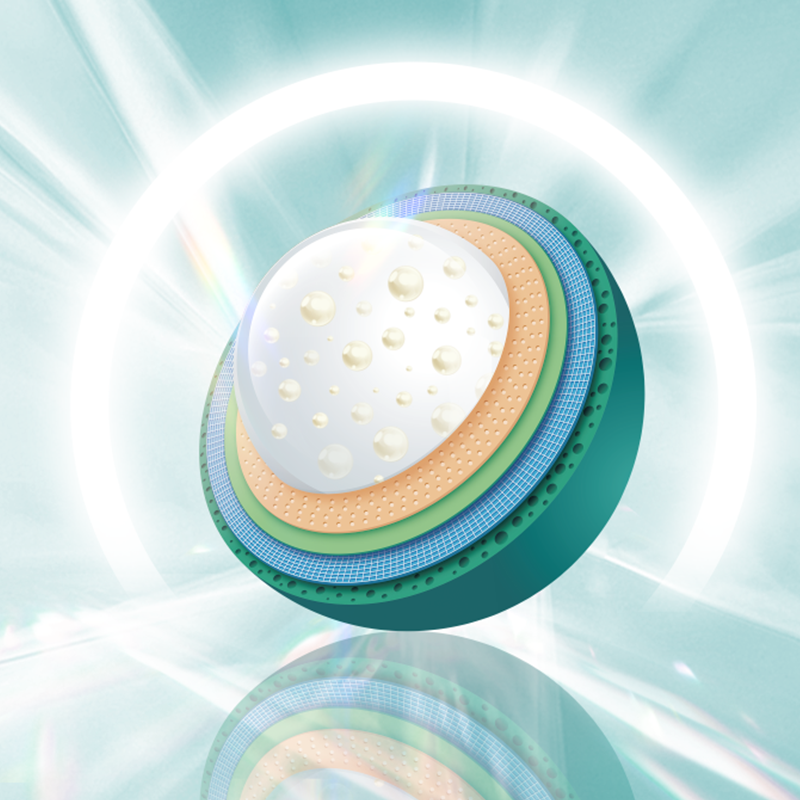 INNOBIO’s microencapsulation technology has evolved into its third generation (IMT 3.0) through iterative research of active ingredients, microencapsulating materials, equipment, and more.
 With our patented biosynthesis technology platform, INNOBIO strives to provide an alternative to chemical synthesis to provide more natural and healthy ingredients to the nutrition industry.
Omega3/6/9 Powder: Formulation Challenges, Stability, and Application Solutions
多行文本内容元素
富文本内容绑定数据后可解析HTML语言内容

Core Technological Considerations for Omega Formulation
The performance of omega emulsions and powders heavily depends on the origin of the fatty acids. INNOBIO's DurOmega® series draws from diverse plant oil sources and nutritional lipids, enabling developers to create targeted nutritional concepts.
Verification of Specifications: Manufacturers should thoroughly check fatty acid profiles, active lipid concentrations, and product specifications rather than relying on broad omega categories alone.
Customizable Parameters: Tailoring options include adjusting oil loading, selecting precise wall materials, and optimizing the omega-3, 6, and 9 ratios.
Microencapsulation: Managing Oxidation and Shelf Life
Unsaturated fatty acids are highly susceptible to environmental degradation caused by light, temperature, and oxygen exposure, which can lead to off-notes and compromised shelf life.
Functional Coating Technology: Microencapsulation shields delicate lipids using food-grade wall materials spanning protein-based options (such as whey and casein), carbohydrate-based systems (such as modified starch and maltodextrin), and fiber-based systems.
DurOmega® Solutions: INNOBIO's DurOmega® series utilizes advanced microencapsulation techniques to protect sensitive ingredients, enhance stability, minimize aftertastes, and mask oil-related off-notes.
Stability Validation: Actual shelf-life effectiveness depends on processing parameters, encapsulation quality, and packaging methods, making real-life storage stability testing essential.
Water Dispersibility and Processing Compatibility
For powdered drinks, nutritional shakes, and beverage mixes, excellent water dispersibility is critical to prevent floating particles, sedimentation, or layer separation.
Fast Dispersion: DurOmega® microencapsulated powders and emulsions are engineered for fast water dispersion and easy dry-mix blending.
Matrix Testing: Because dispersion characteristics can be influenced by local acidity, mineral composition, and processing methods, testing compatibility in the actual formulation is strongly advised.
Application-Specific Solutions
INNOBIO provides versatile ingredient formats (including powder, emulsion, and oil forms) tailored for multiple application areas:
Infant & Maternal Nutrition: Base fat powders and lactose-free fat options utilizing demineralized whey or specialized matrices with 30% to 40% oil loading.
Foods for Special Medical Purposes (FSMP) & Clinical Nutrition: Hydrolyzed and protein-free fat powders designed for targeted medical and hypoallergenic dietary needs.
Sports Nutrition & Adult Formulations: Plant-based and low-GI fat powders with higher oil loading (50% to 60%) suited for protein powders, mass gainers, and weight management shakes.
Diverse Delivery Formats: Adaptable for hard capsules, softgels, tablets, ready-to-mix drinks, gummies, and energy bars, where processing temperature and humidity must be carefully monitored.
Custom Formulation and Quality Evaluation
When standard raw materials fall short of technical requirements, custom formulations allow developers to fine-tune particle sizes, wall materials, and fatty acid ratios.
Evaluation Checklist: Manufacturers should review analytical documentation, quality indicators linked to oxidation, regulatory compliance, and process compatibility.
Measurable Objectives: Successful custom design requires clear targets for sensory acceptance, batch consistency, and dispersion performance.
Conclusion
Selecting the ideal Omega3/6/9 powders requires balancing nutritional profiles, ingredient preservation, and manufacturing efficiency. Leveraging INNOBIO's customizable DurOmega® line allows developers to optimize formulation performance and deliver high-quality omega-based products tailored to specific market applications.
PREVIOUS:
Related Information
Omega3/6/9 Powder: Formulation Challenges, Stability, and Application Solutions
Get product quotes for free, find the right solution with our experts.
Know more about our organization and teams, join us or meet at an exhibition.
Keep connecting with us. Say it and be sorted.
All Rights Reserved © 2024 INNOBIO Corporation Limited